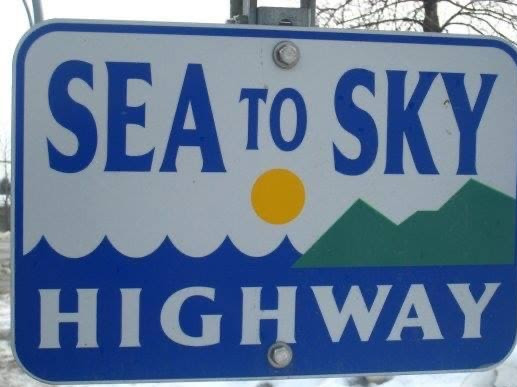
"This route includes the breathtakingly picturesque and well-titled Sea to Sky Highway (officially Highway 99), which skirts the Howe Sound coastline before heading up into the mountains to Whistler, North America's number one ski resort in the winter and a world-renowned mountain bike course in the summer."
DISTANCE-121 KM
TIME: TWO DAYS "MILES)
START OFF IN VANCOUVER
FINAL STAGE: Whistler
NOTES: This route necessitates the use of an automobile. Make a reservation for an overnight (or longer) stay in Whistler (for taking Day and Multi-day Tour in Whistler information, click here). If you wish to participate in organized sports or activities in Whistler, book ahead of time — the Peak2Peak Experience requires three-day advance booking through the Whistler Visitor Centre or Whistler Black."
Take a look at Guest Relations." Purchase tickets for the Sea to Sky Gondola ride online to save money, but do it at least 12 hours in advance. Learn more about the Indigenous legacy along the route by downloading a Cultural Journey Map and accompanying audio from www.slcc.ca/experience/cultural-journey. Check the weather forecast; this journey is about more than just the views, but they are an important part of it, and fog and low cloud cover might detract from the experience."
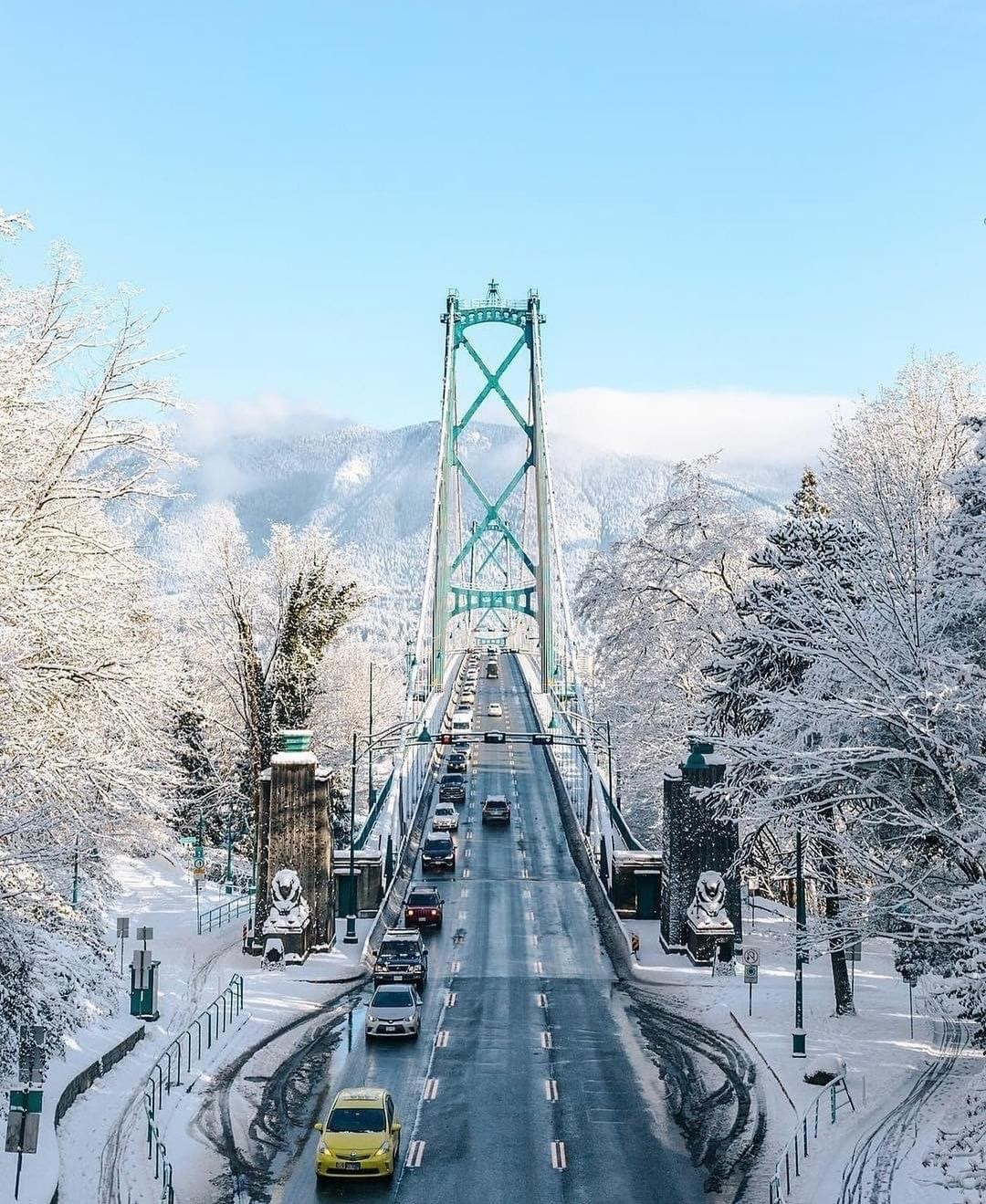
"Take the Lion's Gate Bridge from Stanley Park out of downtown Vancouver and follow the signs to Whistler." You'll skirt Horseshoe Bay as you pass through West Vancouver, with Bowen Island and Hopkins Landing visible on the other side of Howe Sound. As you go north, the snow-capped mountains will appear on the horizon, with stunning vistas to the left across the islet-dotted seas of Howe Sound, reaching to the wilderness beyond. To your right, towering cliffs rise from the road's edge; be patient, and you'll find one or two places where you can safely pull over and take it all in. Do not deviate from the motorway in search of a perspective — side streets are tiny and dangerous.
"There is a petrol station and food in Lion's Bay if you need it — keep on the highway until you see a blue 'Food' sign with an arrow, then turn off and follow the blue signs that point the way." Return to the roadway and head north.
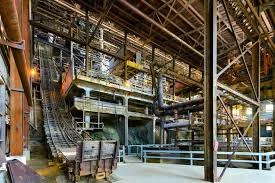
Britannia Beach is located 50 kilometres (30 miles) north of Vancouver and is preceded by a pull-off on the right with some information boards. After that, you'll cross the Britannia Mine Museum's industrial buildings (everyday 9a").
“Britannia Mine Museum (daily 9 am–4.30 pm early May–mid-Oct, Mon–Fri 10 am–4.30 pm mid-Oct–end Nov and Feb–early May; www.britanniaminemuseum.ca) on the right.
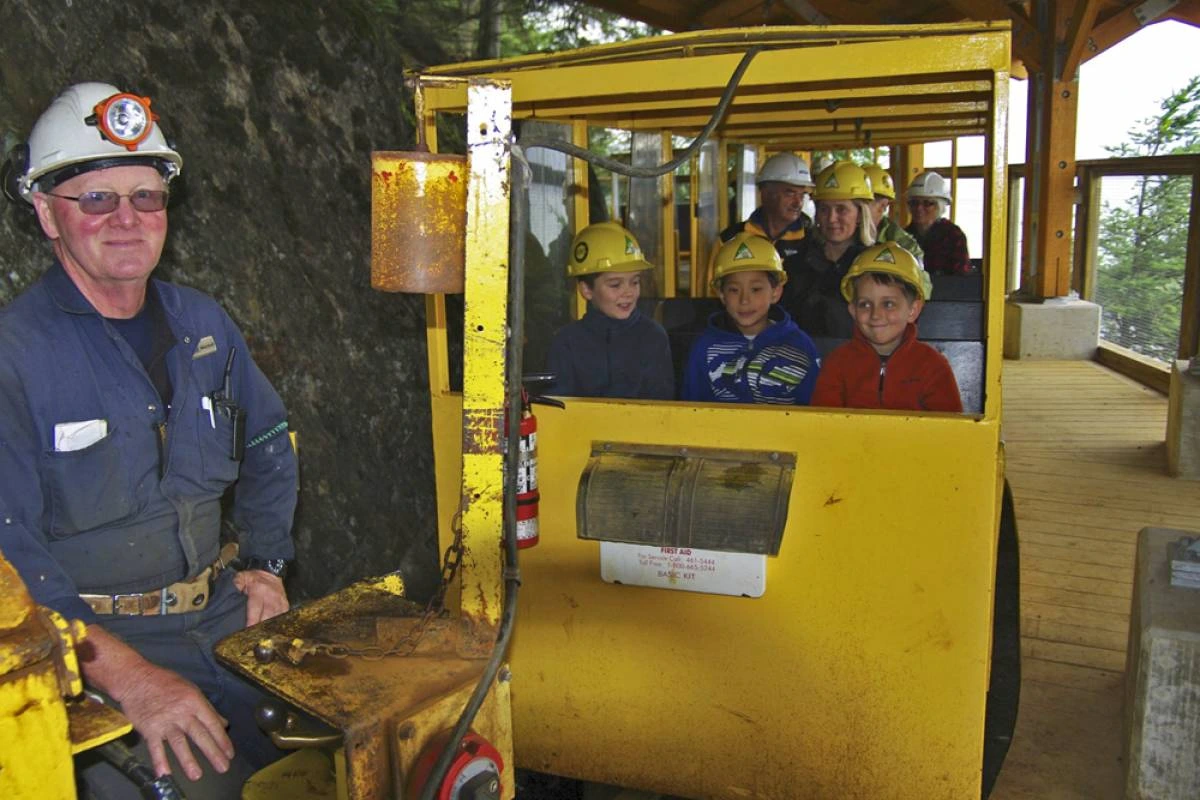
This was the site of the largest copper mine in the British Commonwealth during the 1920s. It ceased operations in the 1970s and was later transformed into a museum. Visitors can visit the old mine site and ride the Underground Train to see live demonstrations. Most of the mine buildings have been preserved as well as the old machinery and processing plant, and the Mine House has three floors of displays. A video relates the history of mining here, and docents dressed as miners are on hand to answer questions.
Another aspect of this site is its use as a movie location. Since the 1990s, countless film shoots have taken place here, including the 1990s TV series The X-Files and big-screen hits such as Star Trek Beyond (2016), Insomnia (2002), Free Willy 3: The Rescue (1997), and Dark Angel (2000–2002).”
for the museum's conversion of one of the old buildings close to the gift store into Chatterbox Cafe. Another alternative is to pick up picnic supplies - the Murrin Provincial Park has picnic tables about 2km (1 mile) north, after passing between high, densely wooded rocks on both sides of the road.
As the road climbs through a densely forested area beyond Britannia Beach, it feels as if you're ascending into the sky, yet you're not done with the ocean yet. Howe Sound reappears around a right-hand bend, and the road drops to run beside it. Take advantage of the left-hand perspective. The Shannon Falls Provincial Park is next, followed by the Sea to Sky Gondola 2 (www.seatoskygondola.com; daily 10 am–6 pm mid-May–early Nov, the remainder of the year daily 10 am–4 pm, final ride down one hour after last ride up) on the right. This ten-minute journey will take you from sea level to an elevation of 885 metres (2,903ft).
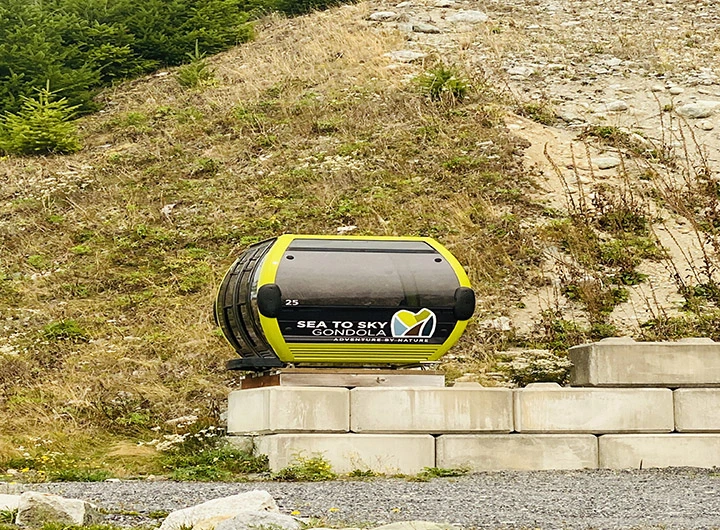
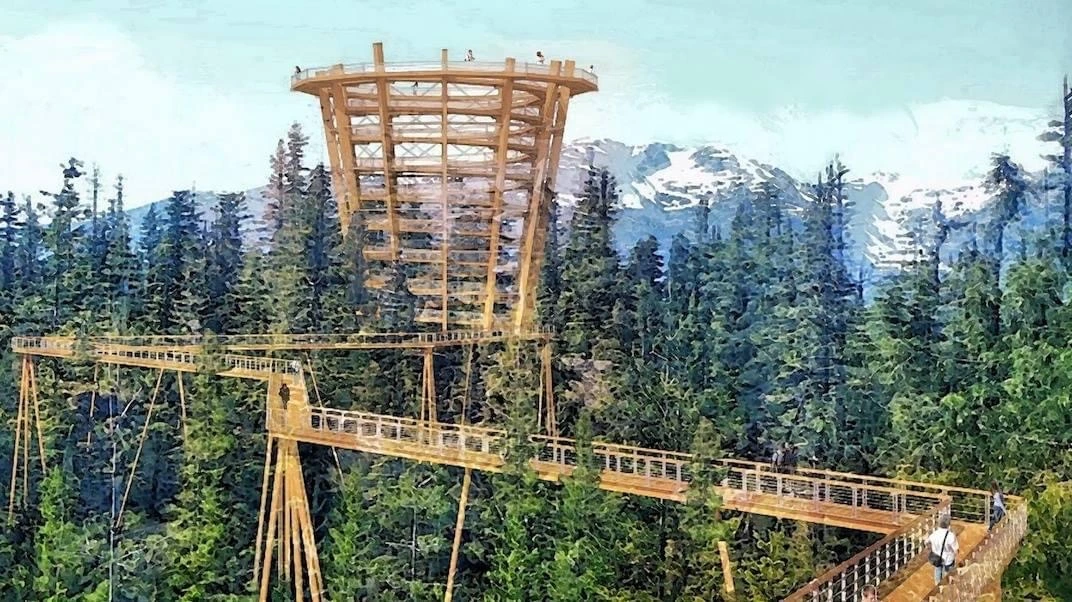
At the summit, there are three platforms with spectacular views, a 100-meter (328-foot) suspension bridge, and a variety of paths; don't miss the Spirit Trail Loop, which explains the storey of the Squamish Nation and their relationship with the land." The Summit Lodge Restaurant offers dinner as you take it all in."
Mining activities at Britannia Beach created catastrophic pollution levels in the Britannia Creek and it wasn’t until just after the turn of the 21st century that the problem was addressed. Prior to it, the waters were utterly dead, despite their apparent look. Monitoring of the situation has shown a significant improvement following the sealing of the mine workings and the installation of a water treatment system. Marine life is returning to previously uninhabitable waters, albeit there is still a long way to go. Salmon are spawning here, and orcas and dolphins can be seen in Howe Sound."
"As you continue north, you'll pass the Stawamus Chief Provincial Park entrance on the right, and you should pay attention to the roadside sign warning against feeding the bears.
Squamish is a good-sized town at the north end of Howe Sound with all the stores and services you'd expect. Visit the Adventure Centre (38551 Loggers Lane; www.exploresquamish.com) to learn more about what there is to see and do — outdoor activities are popular, and rock climbers, windsurfers, and mountain bikers are well cared for. To Book these activities tour contact Globalduniya Premium Travel Management Company You can spend the night here if you want to take a break from your travels." Squamish is also known for its bald eagles that overwinter there. If you visit after early November, you will be treated to the stunning sight of their fall foliage.
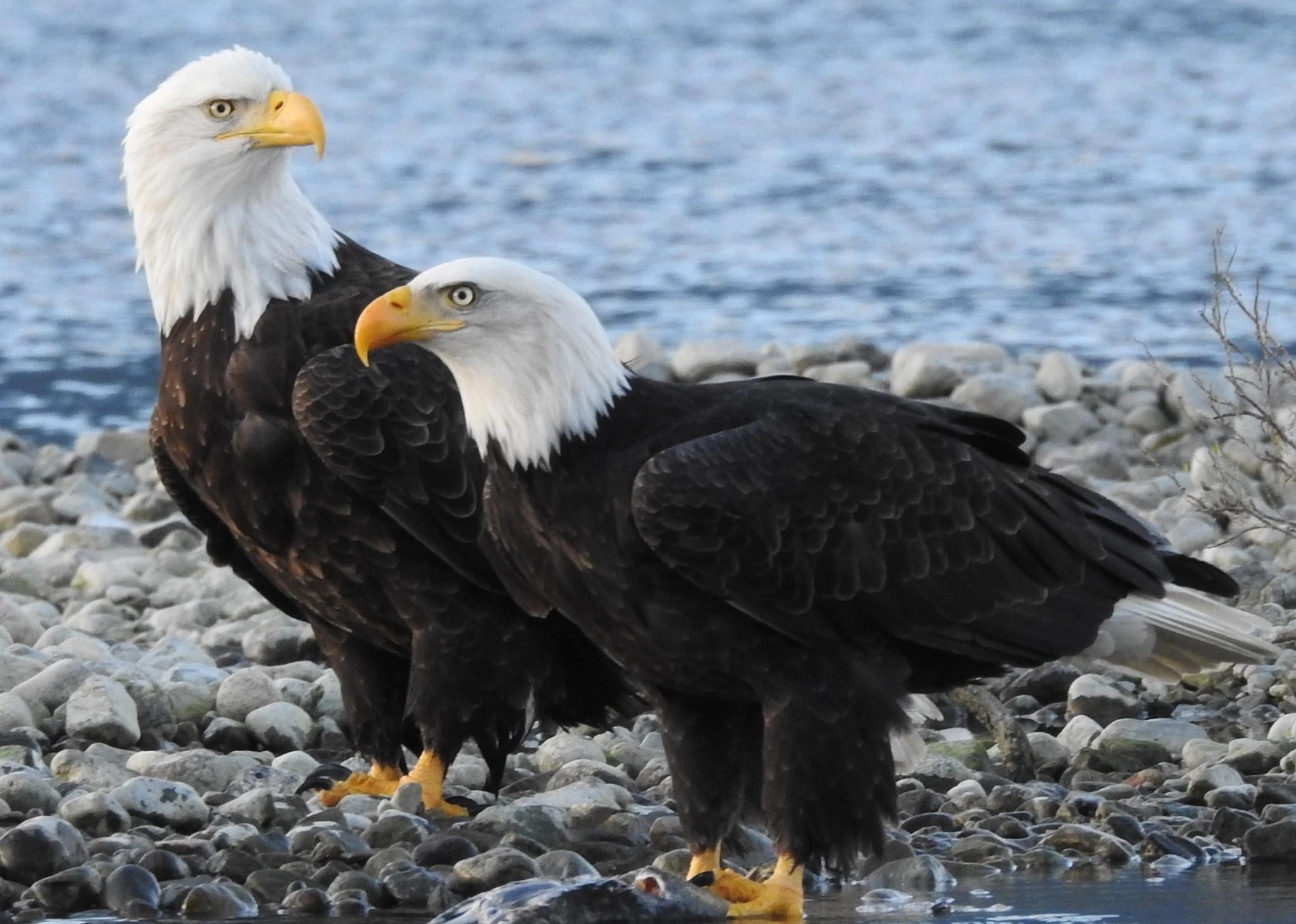
The salmon, who are migrating upstream to spawn in the Squamish River, are the main draw for them. The Brackendale Eagles Provincial Park, north of Squamish, is closed to visitors at this time of year for the eagles' protection, however, there is a viewing shelter with information panels and,
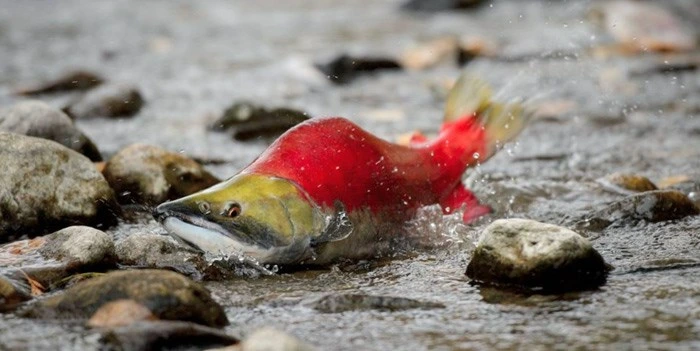
"On select weekends, interpreters will provide information and high-powered telescopes; take Depot Road and then Government Road from the Sea to Sky Highway." There are also eagle-watching rafting trips; for further information, go to www.squamishenvironment.ca/programs/eaglewatch."
The road continues north through Squamish's densely packed neighbourhoods, crossing a tributary of the Squamish River before heading into the Garibaldi Highlands on a tree-lined route. At the point where the trees open and the high, snow-capped peaks come into view, there's a handy viewpoint on the right.
The highway continues its steady rise between rocky rockfaces (with a passing lane on the uphill side); later, a lovely stream flows alongside and eventually beneath the highway.
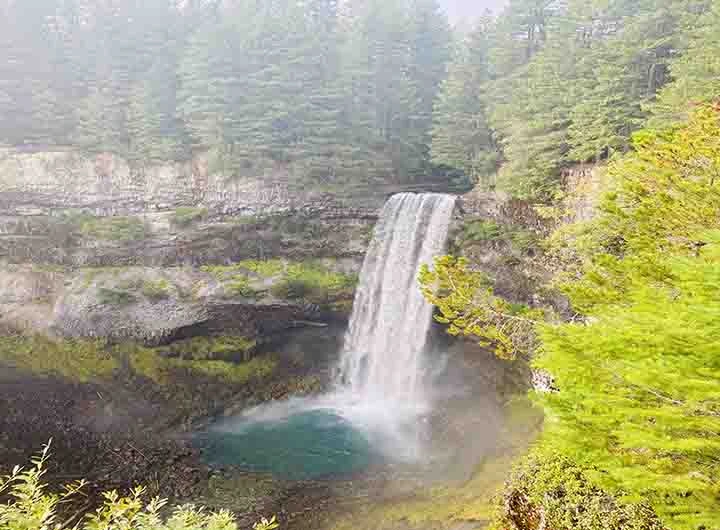
Daisy Lake will be visible to your right shortly, with the Brandywine Falls Provincial Park winding around and beyond its northernmost there." edge. The park is bisected by the highway, with a short walking track leading to the falls on the right and a vehicle entry on the left. If you can't wait for the excitement to start, the Welcome to Whistler sign and banners signal you're almost there."
"Look to the right for the blue sign announcing the Whistler Bungee."
Signs of habitation occur after passing Alta Lake on the left. Whistler Village is a little further ahead, but where you go from here will be determined by where you have made overnight reservations.
Whistler 4 [map], primarily established as a winter sports resort, has a lot to offer all year, with a long list of scheduled activities centred in and around its purpose-built, traffic-free community, which is surrounded by breathtaking mountain scenery. It began to develop in the 1960s with the goal of hosting the Winter Olympic Games one day, which it did in 2010.
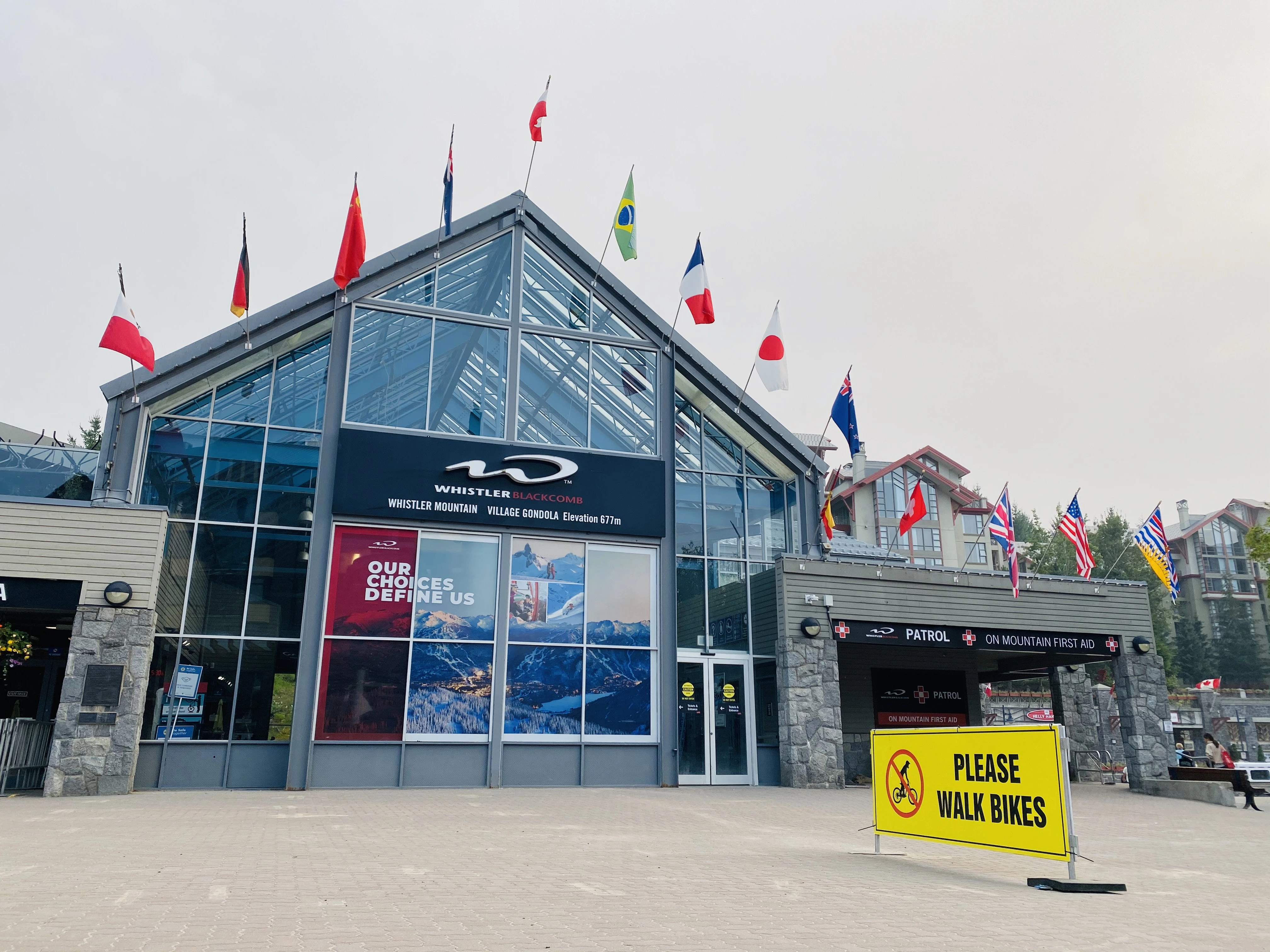
The Peak 2 Peak 360 Experience involves a journey in a glass-bottomed gondola between the Whistler and Blackcomb mountain peaks at an elevation of 436 metres (1,427 feet), as well as the opportunity to stroll across the Cloudraker Skybridge, a suspension bridge "
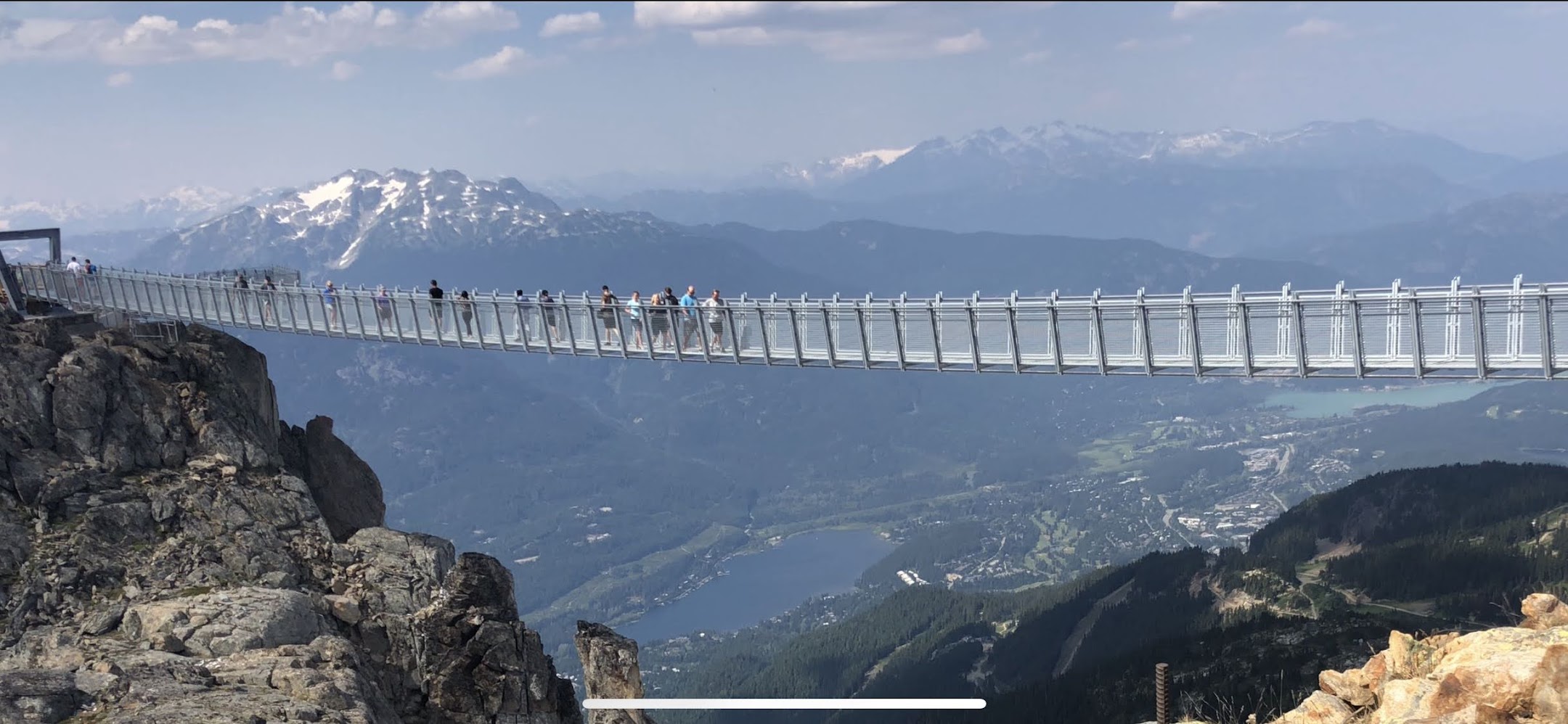
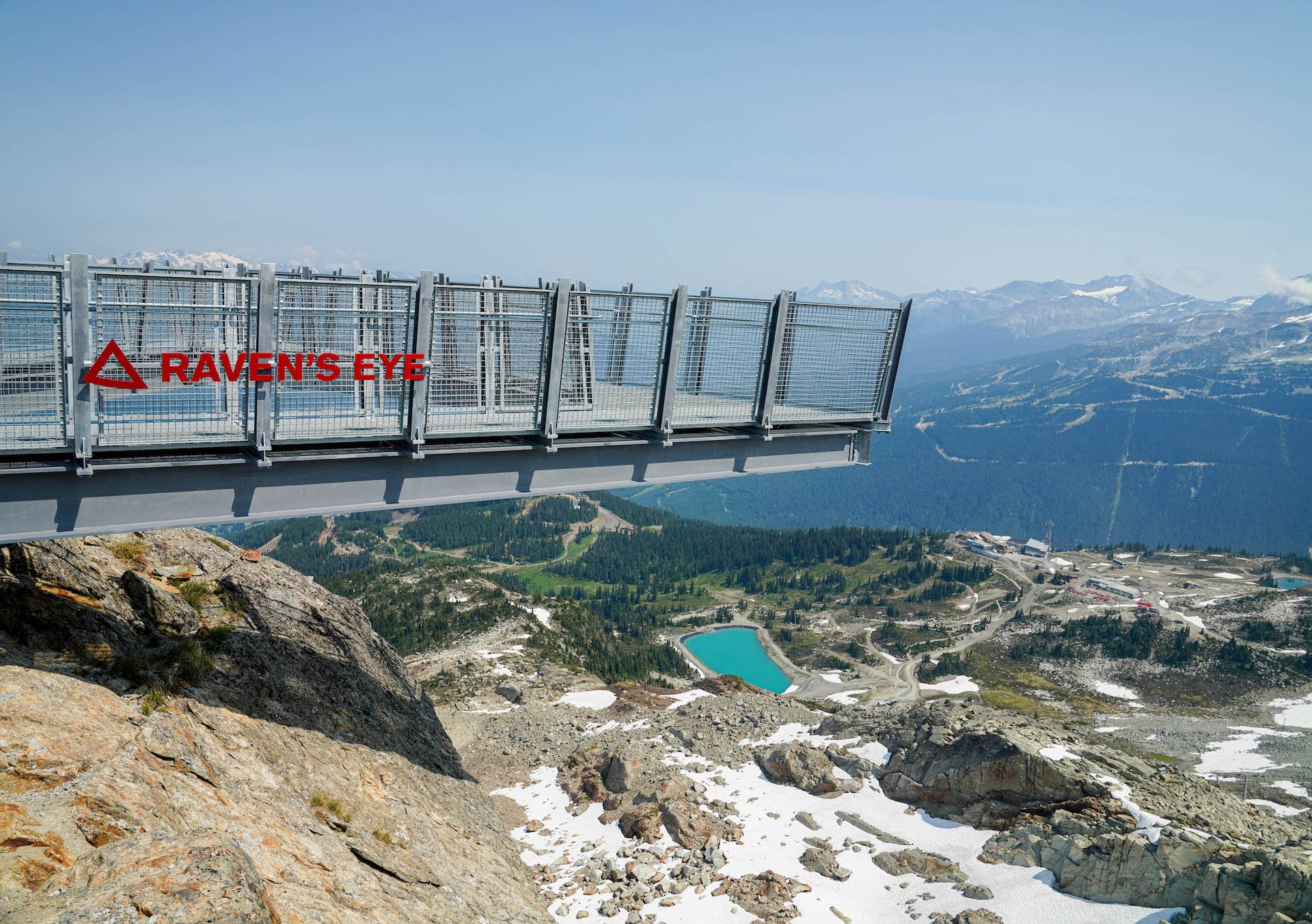
The Raven's Eye Cliff Walk viewing platform and the Cloudraker Skybridge, a suspension bridge spanning from Whistler Peak to the West Ridge. Allow lots of time because there are several exhibitions and a video to see."
"Down on the earth, the to-do list seems to go on forever. Hiking, mountain biking, taking an off-road 4X4 trip, wild swimming, golf, ziplining, bungee jumping, and other activities are available in the summer. There's also plenty of wildlife to see, from birds to bears to the marmots who gave Whistler its name (you'll know what I mean when you hear one)."
"Among the resort's many outdoor activities, culture and the arts are not overlooked; Arts Whistler (www.artswhistler.com) maintains a comprehensive calendar of events as well as links to local museums and galleries. The Whistler Museum includes displays about the town's history and evolution, while the beautiful Audain Art Museum has a remarkable collection of British Columbia art and photography, as well as three to four travelling exhibitions each year. There's a nice public library, and the Maury Young Arts Centre (www.thegallerywhistler.com) has a theatre, a youth centre, and an art gallery."
"Whistler for Families" is a book written by Whistler himself.
It goes without saying that the activities here will delight children. In the winter, there's a tube park, sleigh and dog-sled rides, and ice skating, in addition to skiing and snowboarding. There's much to do for all ages throughout the summer, and a tree-top adventure course featuring zip lines is open all year. There are licenced daycares (tel: 604-905-2496) for young children, activity camps (www.whistlercore.com/pages/camps) for older children, and babysitting services for parents who need a vacation from the kids (www.babysittingwhistler.com). Baby equipment, such as cribs, strollers, and high chairs, can also be rented (www.babysonthego.com)."
There are festivals and events all year, fantastic shopping, and a diverse selection of restaurants and entertainment, ranging from quaint pubs to rowdy nightclubs. The Rimrock Café and Oyster Bar, page 4 [map], is a fantastic choice for an expensive treat or special occasion dinner.
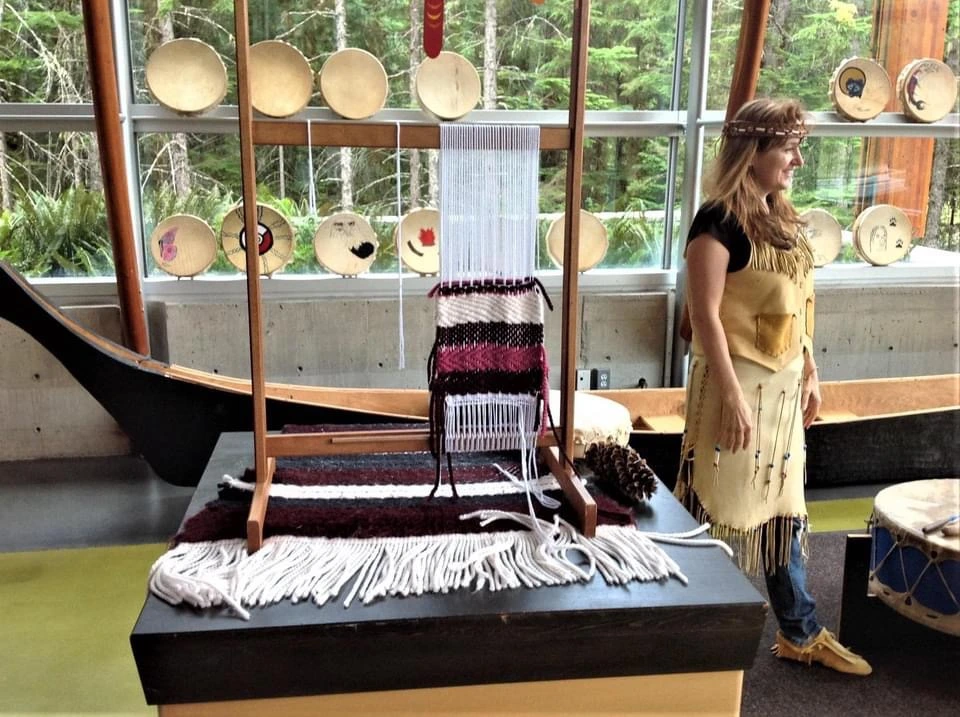
You may have spotted bilingual (Indigenous and English) signage along the Sea to Sky Highway. This depicts the Squamish and Lil'wat nations' robust Indigenous cultures, which have coexisted in this region for millennia. On the outskirts of Whistler, the Squamish Lil'Wat Cultural Centre 5 [map] (4584 Blackcomb Way; Tue–Sun 10 am–5 pm) is a great site to learn more. Exhibits, performances, and storytelling highlight their cultures inside a beautiful modern structure. There are some excellent examples of painting and woodcarving, and tours are led by Cultural Ambassadors from Indigenous Nations. On the lower level, don't miss the Thunderbird Café
The Sea to Sky Highway does not stop at Whistler; it continues to Pemberton.
1) Private Vancouver Sea to Sky Tour
2) Vancouver Squamish, Shannon fall Day Tour
3) Private Vancouver to Squamish tour
4) Vancouver Sea to Sky Gondola Tour in Squamish & Cypress Winter Fun Private
5) Whistler Squamish Day Tour Private
6) 2 Days Squamish, Whistler Ski Resort Tour from Vancouver
For a free,no-obligation,consultation simply emails a few of these details to info@globalduniya.ca and we will get straight back to you with some ideas and suggestions.
If you like my ideas for a tour we can comeup with a more detailed plan, by email or phone at +17788821450,before you decide.
You approach a region of Vancouver that is considerably different from the city's centre in terms of appearance and atmosphere south of Granville Island and False Creek. The skyscrapers and magnificent views of Downtown are mostly gone, replaced with streets, structures, and vistas with far less striking architectural features, such as shopping centres and other suburban mainstays like low-rise residential dwellings.
This could be almost any suburb of any city in North America, with the exception of one or two notable sites.The Kitsilano district, sometimes referred to as Kits, is located to the west. Originally a hippie haven, Kits is now a lush and pleasantly gentrified residential neighbourhood with a nice beach, a public pool, unique cafes, restaurants, galleries, and fascinating shops. The area's sprawling suburbs are brought to life by Queen Elizabeth Park and VanDusen Garden, which are located farther south. To the west are the affluent districts of Point Grey and Shaughnessy, as well as the University of British Columbia (UBC) and its surrounds.
By taking the ferry from False Creek to Granville Island, which docks directly below the Maritime Museum, you might easily combine a trip to Granville Island with a visit to the local museums.
To get to the park and museums from Downtown, take the Macdonald bus south from anyplace on Burrard or West Pender. Get off at the first stop after the bridge, then walk a short distance west on Cornwall Street. At the next T-intersection, take a right heading north on Chester Street. Alternately, go from Granville Island to Vanier Park and the remainder of Kits through the Seawall on foot or by bicycle. Don't take on too much, though; you'll probably want to save the University of British Columbia and its Museum of Anthropologyfor another day.
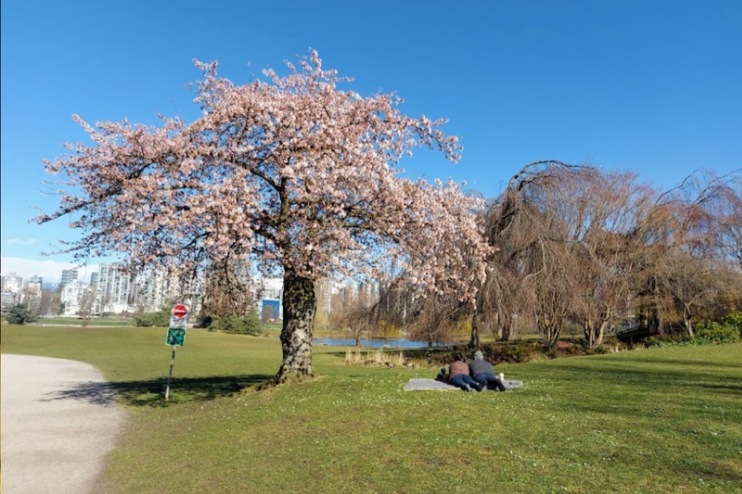
In close proximity to the residential and entertainment districts of West 4th Avenue and Kitsilano, Vanier Park is located on the waterfront at the western end of the Burrard Bridge.
Monday | Closed |
Tuesday | 6:00am –10:00pm |
Wednesday | 6:00am –10:00pm |
Thursday | 6:00am –10:00pm |
Friday | 6:00am –10:00pm |
Saturday | 6:00am –10:00pm |
Sunday | 6:00am –10:00pm |
Age | Price |
Adult | $37.00 |
Youth | $30.00 |
Student | $30.00 |
Senior | $30.00 |
The park is unremarkable, has large expanses of open grass and few trees (and thus provides little shade on a hot day), and is not worth visiting for its own sake unless you want some fresh air and the occasional sandy little beach without travelling all the way to Kits or Jericho beaches. It is named after Georges Vanier, Canada's well-liked bilingual governor-general between 1959 and 1967. Its primary function is to serve as a setting for the planetarium and other displays of the H.R. MacMillan Space Centre as well as two of Vancouver's major museums, the Vancouver MuseumandMaritime Museum.
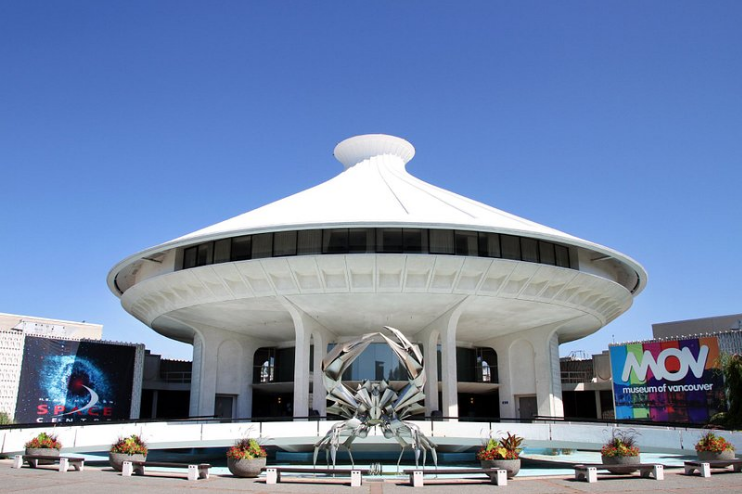
Canada's biggest municipal museum, the Vancouver Museum, was established in 1894 and is located in Vanier Park at 1100 Chestnut Street.
Monday | 10:00am –5:00pm |
Tuesday | 10:00am –5:00pm |
Wednesday | 10:00am –5:00pm |
Thursday | 10:00am –8:00pm |
Friday | 10:00am –8:00pm |
Saturday | 10:00am –8:00pm |
Sunday | 10:00am –5:00pm |
Age | Price |
Adult | $15 |
Senior | $10 |
Students (with ID) | $10 |
Youth (6 to 17) | $10 |
Children (5 and under) | Free |
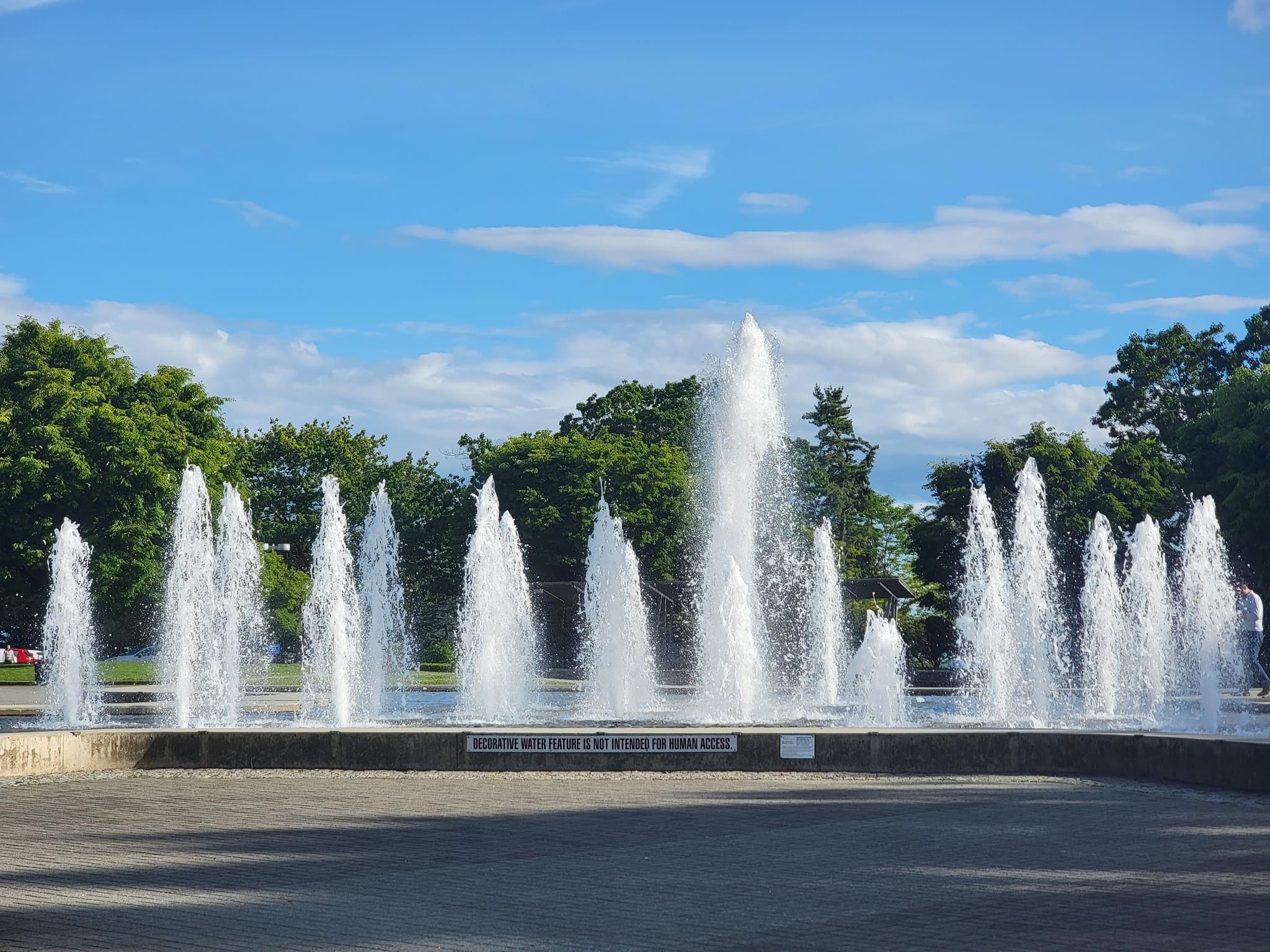
The history of the city and the lower British Columbia mainland is traced in the museum. The museum's flying saucer-shaped structure, which was built in 1968 when it relocated to the park, pays homage to the conical cedar-bark caps worn by the Haida and other indigenous peoples who were the region's first settlers. The weird fountain outside reminds people of the mythical native creature that stands watch over the harbour entrance and resembles a crab. By way of a clever coincidence, it also makes reference to the astrological sign that corresponds to July 1, Canada's birthday.
The museum is the major attraction of Vanier Park, although it isn't as interesting as you might anticipate from a city of Vancouver's size and stature. It says it has 300,000 exhibits, although it's unclear where they could all be.A tour shouldn't take longer than an hour. All of this could soon change thanks to a multimillion-dollar renovation that will give the museum more focus, a more logical chronological approach to the history of the city, and cutting-edge presentational tools that will put it on par with modern museums like Victoria's far superior Royal British Columbia Museum.If you have the patience to read the accompanying briefs, the main collection then weaves in and out of Vancouver's history up to World War I, full of odd and occasionally unforgettable insights. The exhibits on forestry and the lumber industry, the displays focusing on immigration, and the accounts of the frequently extraordinary exploits of early explorers—including Simon Fraser—are among the best of these. The immigration section recreates what it was like to travel in steerage, the least expensive class on the transatlantic ships that brought settlers to North America from Europe.The twentieth century segment of the chronological displays is disappointing because the majority of the items on show, including the furniture and culinary equipment, would fit better in an antique store. Once the museum has had its renovation, this may well alter.
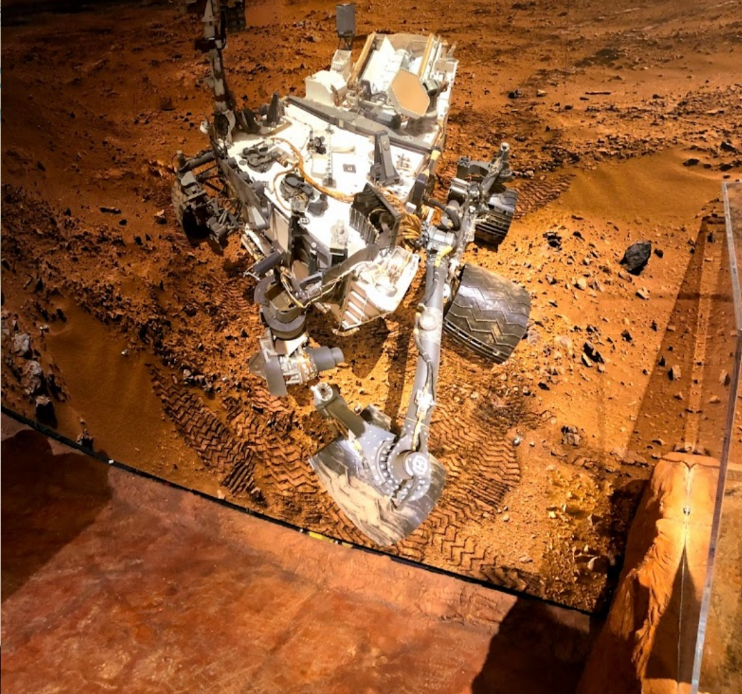
Located in Vanier Park in Vancouver, British Columbia, Canada, the H.R. MacMillan Space Center is an astronomical museum.
Monday | 9:30am – 4:30pm |
Tuesday | 9:30am – 4:30pm |
Wednesday | 7:00pm – 12:00am |
Thursday | 9:30am – 4:30pm |
Friday | 7:00pm – 12:00am |
Saturday | 9:30am – 4:30pm |
Sunday | 9:30am – 4:30pm |
Age | Price |
Adult | $21 |
Youth | $18 |
Child(Ages 3 & Under) | Free |
Senior | $18 |
Children(ages 5-11) | $15 |
The MacMillan Planetarium and a variety of space-related exhibits and shows are included in the Space Centre, evening laser shows are held from Thursday through Sunday at various times; Space Centre admission is $14; additional Virtual Voyage rides are $6; and evening laser show prices vary. It is located in Vanier Park, similar to the neighbouring Vancouver Museum, and may be reached by the tiny ferry landing in the park or at 1100 Crescent St. Its star shows—the typical planetarium fare—and the boisterous, raucous nightly laser and music extravaganzas are its biggest draws. These are presented at the H.R. MacMillan Star Theatre; while there is an additional fee for the nighttime performances, general entry is free for the star performances, which take place multiple times daily and are often in the afternoon. Make reservations or arrive early for the evening performances because they are quite popular.
Many of the center's exhibits are high-tech and interactive, particularly in the Cosmic Courtyard where engaging exhibits let you control a lunar robot, combat aliens, create spacecraft, and plan a trip to Mars. The Virtual Voyages Simulator, a flight simulator that offers you a sense of the motion you would experience during space travel and other voyages, is just one example of the numerous displays that incorporate several stunning computer and other audiovisual effects. The admittance to the simulator is complimentary with general admission and rides run around 5 minutes. They include experiences like hitting a comet, Astronomers are on hand to show you the ropes and assist you in setting up your camera for a "Shoot the Moon" photography session of the heavens ($10). The Gordon Southam Observatory, the small dome building close to the Space Centre, has a telescope that is typically available for public stargazing on clear weekend nights (call the Space Centre or T 604/736-2655 for current times).going on a roller coaster, and visiting other worlds. Starting at mid-morning, 20-minute films on various space-related topics are shown in the GroundStation Canada Theatre.
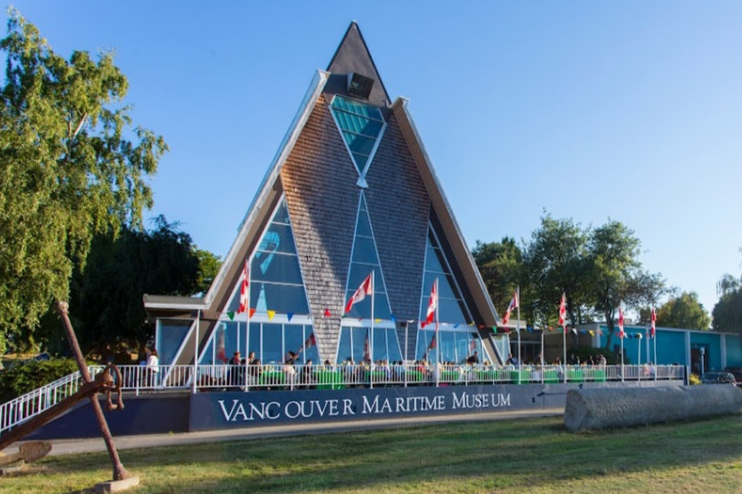
1905 Ogden Avenue is the location of the Maritime Museum. It is situated in Vanier Park, next to the H.R. MacMillan Space Center and the Vancouver Museum.
Monday | Closed |
Tuesday | 10:00Am - 5:00Pm |
Wednesday | 10:00Am - 5:00Pm |
Thursday | 10:00Am - 5:00Pm |
Friday | 10:00Am - 5:00Pm |
Saturday | 10:00Am - 5:00Pm |
Sunday | 10:00Am - 5:00Pm |
Age | Price |
Adult | $13.50 |
Seniors & students | $11.00 |
Youth (ages 6-18) | $10.00 |
Children 5 and under | FREE |
Family Pass (includes 2 adults and 4 children) | $38.00 |
Individuals who self-identify as Indigenous | FREE |
If you have any interest in ships or the sea, the museum will appeal to you and is a terrific location to bring kids. Additionally, it is near to the water and Heritage Harbour, a tiny jetty used by boats to and from Granville Island and the remainder of False Creek. Additionally, because it is not very large, visiting it after visiting the other two museums in Vanier Park won't put you at risk of developing museum fatigue. Look for the 30m Mungo Martin totem, which is a replica of the pole given to Queen Elizabeth II in 1958, on the south side. If you're lucky, you could catch a glimpse of one or more of the local bald eagles perched there.
Original maps from George Vancouver's ships, stunning early images depicting late nineteenth-century Vancouver, and a vivid reproduction of a tugboat bridge are among the collection's many gems. With the exception of the beautifully restored 1928 St. Roch, a Royal Canadian Mounted Police schooner that became the first to circle North America in one season and stands in its own wing of the museum where it can only be seen on guided tours, the remainder of the exhibit, however, falls short of capturing the significance of the city's standing as one of the world's top ports (tours run roughly every 30min).
The Pirates' Cove and Children's Maritime Discovery Centre,which is full of computers with interactive games and educational content, model ships, telescopes pointed on ships in the harbour, and a supply of maritime costumes for dressing up, liven things up a little, especially for kids.You may view further restored vintage ships outside, on Heritage Harbour (where you can locate the ferry dock to and from Granville Island), immediately to the north of the museum.
If it weren't for the existence of two of the city's largest greenspaces, the primarily residential suburban areas of South Vancouver south of Kits and Vanier Park would have little to see and would likely simply be a place you passed through on your route to or from the airport. The bigger of the two areas, Queen Elizabeth Park, draws over six million people a year despite lacking Stanley Park's oceanfront location and the wildness of the North Shore's provincial parks. Compared to its nearby counterparts, the VanDusen Botanical Garden is smaller and has a more narrowly focused horticultural goal.Despite being a neighbour, it is one of the best botanical gardens on the continent.
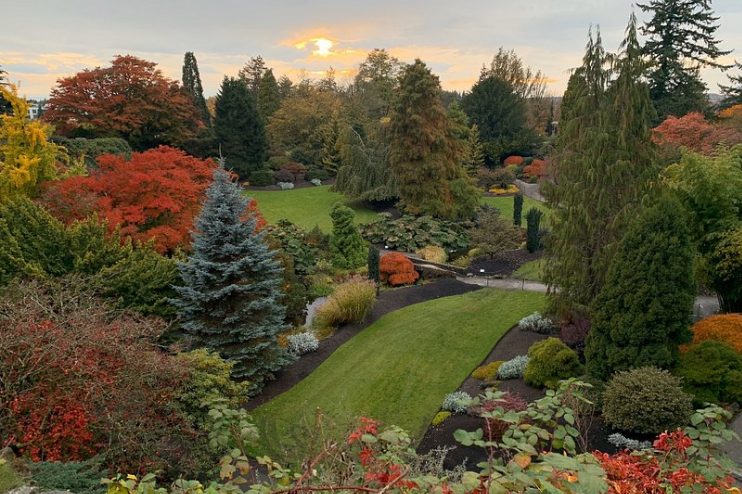
Queen Elizabeth Park is located between and Ontario streets and West 29th and West 37th avenues.
Monday | 6:00am –10:00pm |
Tuesday | 6:00am –10:00pm |
Wednesday | 6:00am –10:00pm |
Thursday | 6:00am –10:00pm |
Friday | 6:00am –10:00pm |
Saturday | 6:00am –10:00pm |
Sunday | 6:00am –10:00pm |
It is free to enter the park, however admission to the Bloedel Floral Conservatory costs $4.30 from early April to early September. For further information, Contact (604/257-8584 or 257-8570).
If you're in this area of the city and enjoy the notion of a large, lovely, and well-landscaped garden, it barely competes with Stanley Park, but few parks do. Nonetheless, it is worth a visit if you enjoy the idea of a well-landscaped garden. The Bloedel Floral Conservatory, which is the city's most recognisable feature and is located inside at 33rd Avenue and Cambie Street, attracts tourists by simulating the climate, flora, and some animals of desert, subtropical, and rainforest ecosystems. The Floral Conservatory has 500 different kinds of exotic plants, 50 different species of birds, and a 360-degree panorama of the city.
The Nat Bailey Stadium, which is on the east side of the park at Ontario Street and 29th Avenue, is a great place to watch the city's Vancouver Canadians baseball team play. It has many of the amenities of an urban park, including tennis courts, pitch-and-putt golf, lawn bowling, a roller-hockey court, Frisbee golf, a basketball area, and more. You may reach here by taking Bus #15, which travels the entire length of Cambie from Pender Street Downtown. The third-largest green area in Vancouver is Queen Elizabeth Park, which has 136 acres. It is situated atop Little Mountain, the highest peak on the city's south side and the remnant of an ancient volcano (153m) An arboretum is traversed by a meandering road as it ascends the mountain's slopes. There are specimens of practically every native tree and shrub found in British Columbia on the eastern slopes in particular. Two old quarries, which were formerly utilised for the construction of Vancouver's roadways and by the Canadian Pacific Railway during the construction of the transcontinental railway at the end of the nineteenth century, have taken up a portion of the top. With the exception of two holding reservoirs that provided some of the city's drinking water, the quarries were an eyesore and abandoned by the time the city accepted the questionable gift ten years later. Both of these were reworked and landscaped as the Quarry Gardens after 1930, vast rock gardens filled with flowers and shrubs and dotted with ponds, fountains, and tinkling waterfalls.The quarries are a part of the park's rich history because the region began as a wood camp in the 1870s. Don't be shocked if you have to navigate wedding groups waiting to be shot on weekends. Prior to the quarries being exploited to supply stone for the numerous roads that were then being built in a developing Vancouver, it was used as a dairy farm and a Chinese vegetable garden. When King George VI and Queen Elizabeth of the United Kingdom visited the site in 1939, the property's makeover into a park was finished.
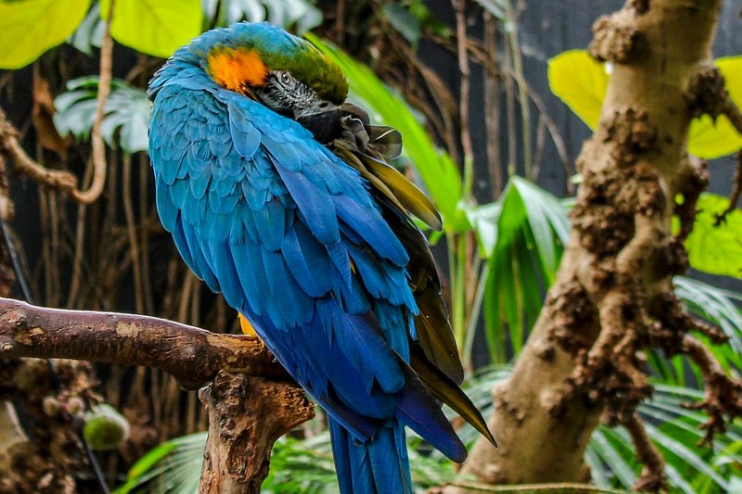
At the highest point of the City of Vancouver, in Queen Elizabeth Park, at 4600 Cambie Street, Vancouver, British Columbia, V5Y 2M4, Canada, lies the domed verdant paradise known as Bloedel Conservatory.
Monday | 10:00am –4:00pm |
Tuesday | 10:00am –4:00pm |
Wednesday | 10:00am –4:00pm |
Thursday | 10:00am –4:00pm |
Friday | 10:00am –4:00pm |
Saturday | 10:00am –4:00pm |
Sunday | 10:00am –4:00pm |
Age | Price |
Adult (19-64 years) | $7.05 |
Senior (65+ years) | $4.80 |
Youth (13-18 years) | $4.80 |
Child (5-12 years) | $3.55 |
Children (4 and under)* | Free |
The majority of the $1.25 million needed to construct the dome came from the lumber industrialist Prentice Bloedel, which is ironic given the impact the timber industry has had on the Bristish Isles. The dome is 43 metres in diameter and is made up of 1500 Plexiglas bubbles. A total of fifty different kinds of birds, including several loud and colourful parrots, and around 100 free-flying plant species from across the world are housed within the structure. Several large-scale works of sculpture, notably Henry Moore's Knife Edge - Two Piece, which was also donated by Prentice Bloedel, are located close to the conservatory.
The Seasons restaurant at West 33rd Ave and Cambie , which is close to the conservatory and a lovely spot to spend lunch or supper, offers views of the city and gardens from nearly every table. Three fireplaces provide year-round outdoor dining on the terrace, which is especially well-liked for weekend brunches.
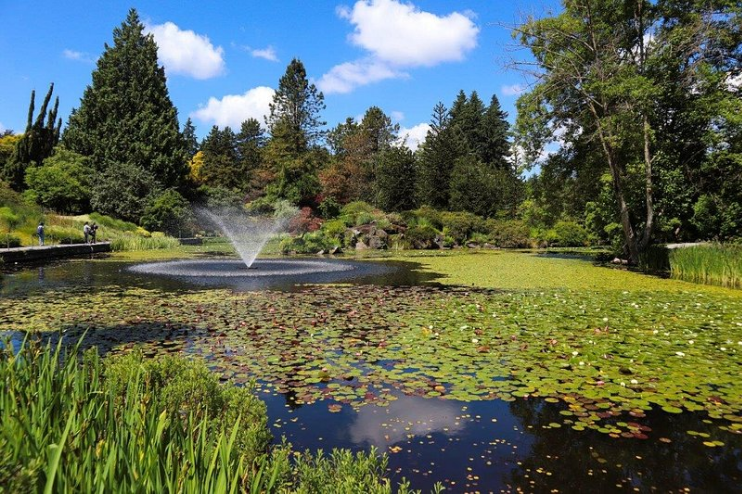
At 5251 Oak St. in the centre of Vancouver, you will find the VanDusen Botanical Garden.The 54-acre VanDusen Botanical Garden is that rarest of things: a former golf course that has been transformed into a useful piece of landscape.
Tuesday | 10:00Am -5:00Pm |
Wednesday | 10:00Am -5:00Pm |
Thursday | 10:00Am -5:00Pm |
Friday | 10:00Am -5:00Pm |
Saturday | 10:00Am -5:00Pm |
Sunday | 10:00Am -5:00Pm |
Monday | 10:00Am -5:00Pm |
Age | Oct 1 - Mar 31 | Apr 1 - Sep 30 |
Adult (19-64) | $8.60 | $11.90 |
Senior (65+) | $6 | $8.35 |
Youth (13-18) | $6 | $8.35 |
Child (5-12) | $4.30 | $5.95 |
Children (4 and under)* | Free | Free |
VBGA member | Free | Free |
Though the UBC Botanical Garden also has its supporters among Vancouverites, Horticulture magazine considers it – rightfully – as one of the top ten botanical gardens in the world. As it is located on Oak Street at the intersection of 37th Avenue, a few blocks west of its bigger neighbour, it is clearly noticed, especially if you are also visiting Queen Elizabeth Park. Take bus number 17, which traverses Oak, if you are travelling from Downtown. In 1910, when it was leased to the Shaughnessy Golf Club, which stayed there until 1960, the garden was a CPR-owned tangle of shrub and tree stumps. It was first established as a garden in 1975 and now boasts thousands of exotic trees, shrubs, and plants, all of which are clearly labelled and add to the educational value of the peaceful paths and shrubberies. In the summer, free guided tours are offered everyday at 2 PM and on Wednesdays at 11 AM. You may also pick up a self-guided tour leaflet at the entry. Every day at 1pm, 2pm, and 3pm, as well as on Wednesdays at 11am, cart tours are available for seniors or those with disabilities. Weekend cart trips must be scheduled in advance (T604/257-8666). While certain areas of the gardens are themed—for instance, the Rose Garden, Lake Garden, and Rhododendron Walk—the trees and flower beds are constructed such that there is something beautiful to view every month of the year. The Elizabethan Hedge Maze is one of the most well-liked areas, at least among kids. It is made up of about 1,000 pyramid cedar trees, each of which is only 1.5 metres high, allowing parents to observe their kids' progress—or lack thereof—from a nearby grassy knoll. Events are held in the garden all year long, including a sizable Flower and Garden Show, which typically takes place in the first week of June, and the Christmas Festival of Lights, when thousands of tiny lights.
For a free,no-obligation,consultation simply emails a few of these details toinfo@globalduniya.ca and we will get straight back to you with some ideas and suggestions.
If you like my ideas for a tour we can comeup with a more detailed plan, by email or phone at+17788821450,before you decide.